Model lists rank by benchmarks; real work ranks by task. After running all four of Pictx’s top image models side by side, here is what each one is genuinely best at.
GPT Image 2.5 — the precision tool
OpenAI’s flagship is the strongest at following complex prompts literally — multiple subjects, exact counts, spatial relationships. It is also the best text renderer in the lineup: legible headlines, labels and UI text inside images. Reach for it for posters, packaging, infographics and any brief where details must land exactly.
Seedream 5 Pro — the cinematographer
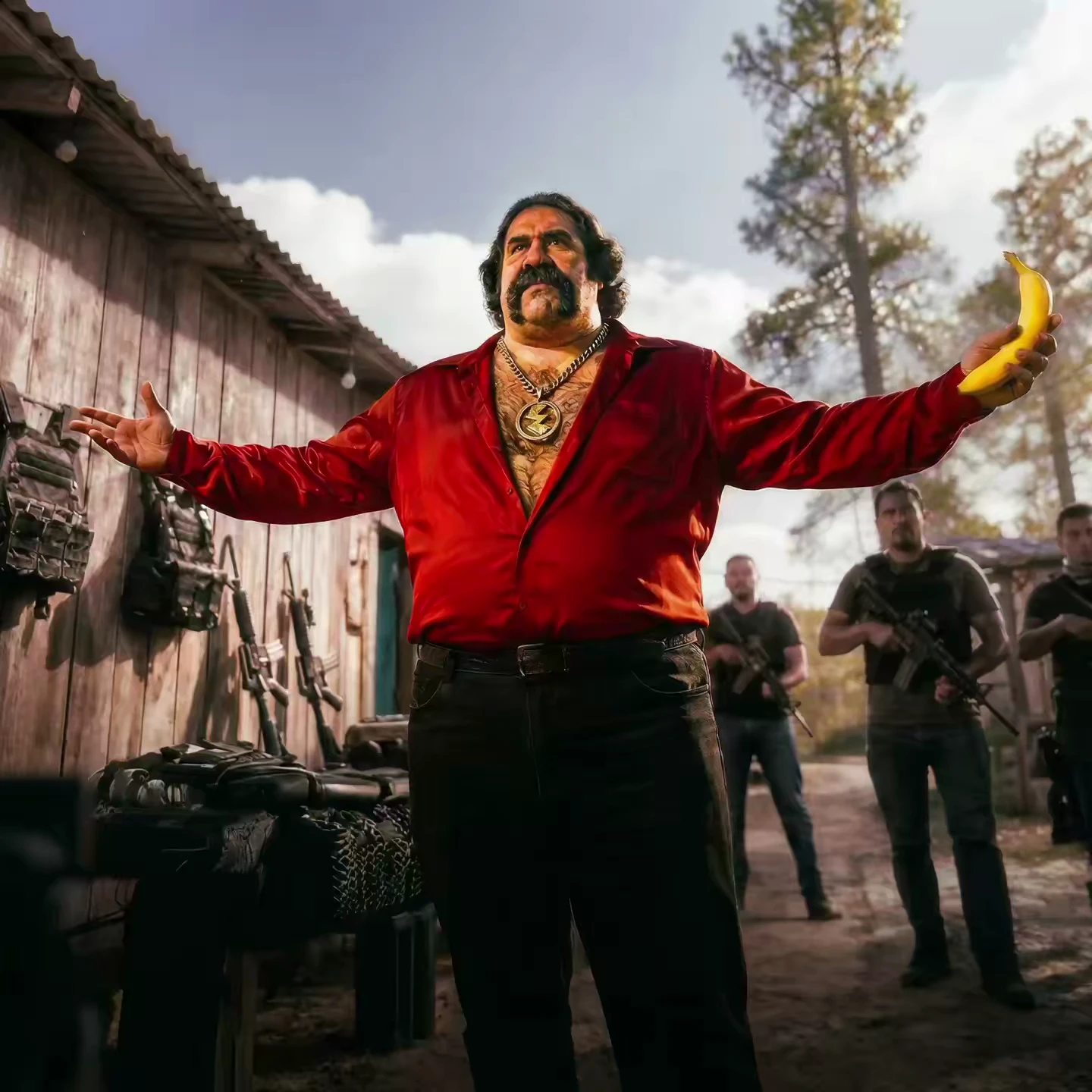
ByteDance’s top image model produces the most aesthetically composed single shots: dramatic lighting, rich texture, editorial-grade framing. Product photography and moody lifestyle images come out looking art-directed rather than generated. When you need the image to feel premium, start here.
Nano Banana Pro — the consistency engine
Google’s model is the pick for character and subject consistency — the same face, outfit or product identical across a whole series. It also excels at conversational editing: describe the change, keep everything else. Comics, brand mascots, catalog variants and any multi-image identity work belong here.
Wan 2.7 — the stylist
Alibaba’s Wan line is strongest on stylized and illustrative looks — artistic render styles, anime-adjacent aesthetics, bilingual prompting (native English and Chinese). It also shares a family with Wan 2.7 video, so stills can move to motion with a consistent look.
Cheat sheet
| Task | Best model |
|---|---|
| Text inside the image, exact briefs | GPT Image 2.5 |
| Product photography, editorial mood | Seedream 5 Pro |
| Same character across many images | Nano Banana Pro |
| Illustration & stylized looks | Wan 2.7 |
| Bulk drafts on a budget | Seedream 4.5 or GPT Image 2 |
The real answer
There is no single best model — there is a best model per task. That is why Pictx puts all of them in one studio: same prompt, side-by-side results, keep the winner. Try them all with free starter credits.